Tagged, charged, and ready to pull.
Clancy's sells, inspects and recharges fire extinguishers for New Ulm businesses. Call when the tags come due, before the fire marshal or your insurer notices first.
The tag on the handle
The tag records who looked at the extinguisher and when. Inspectors, insurers and fire marshals read it first.
An annual inspection covers the parts that fail quietly:
- pressure gauge reading in the green
- pull pin in place, tamper seal unbroken
- hose and nozzle clear, no cracks
- label readable, cylinder free of dents and rust
- bracket solid, unit easy to reach
Then the month gets punched and the unit goes back on its hook.


Between visits, it's on you
- Every month
- NFPA 10 asks owners to glance at each unit. Needle in the green, pin in place, nothing stacked in front of it.
- Every year
- A full maintenance check by a qualified person, recorded on the tag. That is the visit to call us for.
- Every few years
- Depending on the type, cylinders need internal maintenance or a pressure test. Your tag history tells us which.


Used it once? Recharge it.
A partly used extinguisher is an empty one. Once the valve has opened, it can leak down over the following weeks.
The same goes for a unit that was knocked off its bracket, or one whose needle has crept out of the green.
Call us. It goes back on the wall refilled, sealed and tagged.
Buying new extinguishers
The right unit depends on what could burn. Multipurpose ABC dry chemical covers most offices, stores and shops.
Kitchens with fryers need a Class K unit. Electrical rooms and server closets often get CO2. Tell us the room and we'll tell you what fits.


Where they hang
Every building has a different reason for needing one. These are the places we hear about most.

Restaurant and commercial kitchens
Oil fires need Class K wet chemical, mounted within reach of the fryers. Water and ABC powder are the wrong tools on a grease fire.
Your hood suppression system is a separate inspection with its own tag.


Warehouses, plants and shops
Distance matters more than count. For ordinary combustibles, NFPA 10 sets 75 feet as the longest walk to the nearest extinguisher.
When the floor plan changes, the layout of units should change with it.
Farm shops and machine sheds
Fuel, hay, welders and dust all share one building. Units that ride on tractors and combines shake their powder solid.
Turn those upside down and tap the cylinder now and then. Have them checked with the rest.


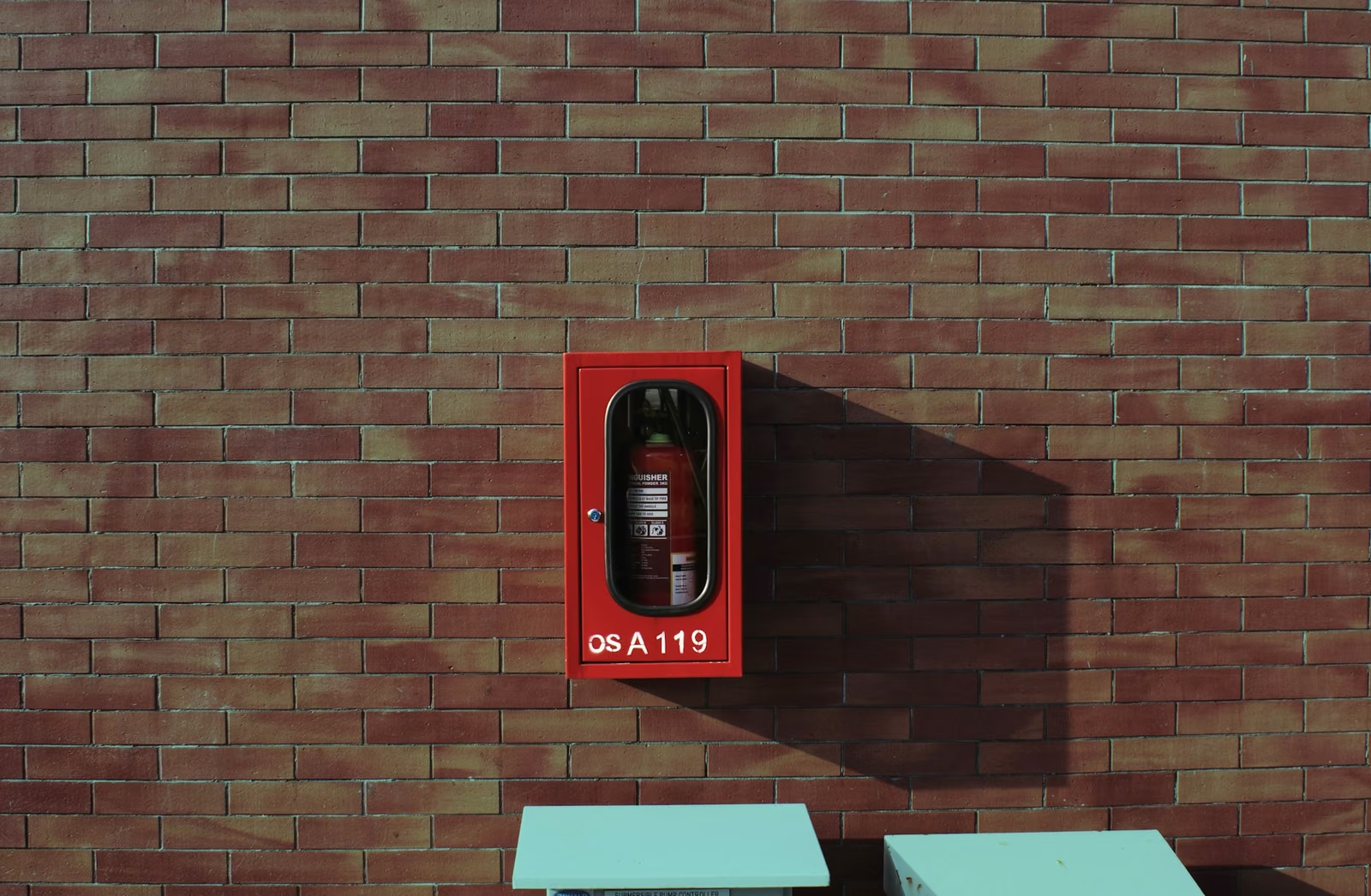
Brick buildings, new tenants
Many downtown buildings have had a dozen businesses inside them. Extinguishers get left behind, moved, or forgotten in a back room.
If you just took over a space, start by finding every unit and reading its tag.


Call Clancy's
(507) 354-3478- Fax
- (507) 354-7060
- Address
- [STREET ADDRESS], New Ulm, MN [ZIP]
- Hours
- [HOURS, e.g. Mon to Fri, 8 to 5]
- office@example.com
Have a count ready: how many extinguishers, what type if you know, and the month on the current tags.